



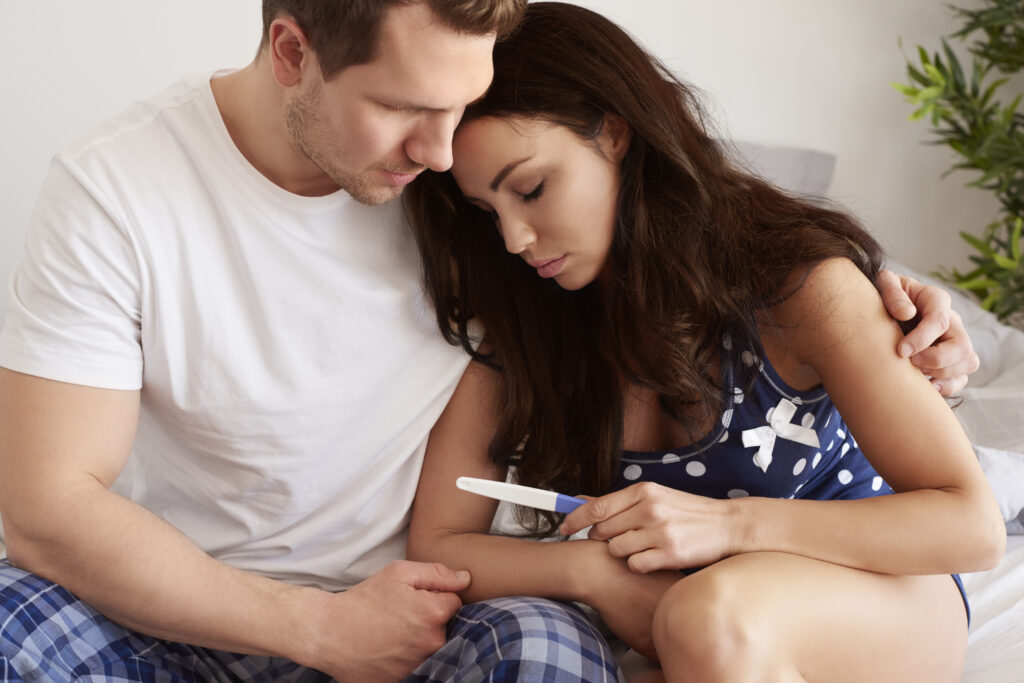
Think you might be pregnant? You're not alone — searching for very early signs of pregnancy is one of the most common health queries online. Whether you're trying to conceive or simply wondering what your body is telling you, this guide covers everything from the first subtle symptoms and signs of implantation to exactly how early you can take a pregnancy test.

How Early Can Pregnancy Symptoms Start?
One of the biggest surprises for many women is that the very early signs of pregnancy can begin just days after conception — sometimes even before a missed period. This happens because fertilisation triggers an immediate hormonal chain reaction in your body.
Here’s how the timeline works:
- Conception (fertilisation of the egg) typically happens around day 14 of a 28-day cycle.
- Implantation — when the fertilised egg embeds in the uterine wall — usually occurs 6 to 12 days later.
- Your body begins producing hCG (human chorionic gonadotropin), the pregnancy hormone, from the moment of implantation.
- This hCG surge is what causes early pregnancy symptoms — and what home pregnancy tests detect.
So technically, pregnancy symptoms week 1 (in conception terms, which equates to weeks 3–4 in standard pregnancy counting) can include very faint signs, even if your period hasn’t arrived yet.
Here’s how the timeline works:
The Complete List of Very Early Signs of Pregnancy
Below is a comprehensive breakdown of the most common really early signs of pregnancy, when they typically appear, and what they feel like. Keep in mind that not all women will experience every symptom.
Here’s how the timeline works:
Symptom
When It Appears
What It Feels Like
Implantation bleeding
Week 1–2
Light spotting, pink/brown, very brief
Breast tenderness
Week 1–2
Swelling, soreness, darkening nipples
Fatigue
Week 1–2
Unusual tiredness, need more sleep
Nausea
Week 2–4
May or may not include vomiting
Increased urination
Week 2–3
Frequent trips to the bathroom
Bloating
Week 1–2
Similar to PMS bloating
Mood changes
Week 1–3
Emotional, tearful, irritable
Heightened smell
Week 2–4
Odours become overwhelming
Headaches
Week 1–3
Hormonal shifts trigger mild to moderate head pain
Light cramping
Week 1–2
Feels like mild period cramps
Food aversions/cravings
Week 2–4
Strong likes/dislikes appear suddenly
Metallic taste
Week 1–3
Odd taste in mouth, especially in the morning
| Symptom | When It Appears | What It Feels Like |
|---|---|---|
| Implantation bleeding | Week 1–2 | Light spotting, pink/brown, very brief |
| Breast tenderness | Week 1–2 | Swelling, soreness, darkening nipples |
| Fatigue | Week 1–2 | Unusual tiredness, need more sleep |
| Nausea | Week 2–4 | May or may not include vomiting |
| Increased urination | Week 2–3 | Frequent trips to the bathroom |
| Bloating | Week 1–2 | Similar to PMS bloating |
| Mood changes | Week 1–3 | Emotional, tearful, irritable |
| Heightened smell | Week 2–4 | Odours become overwhelming |
| Headaches | Week 1–3 | Hormonal shifts trigger mild to moderate head pain |
| Light cramping | Week 1–2 | Feels like mild period cramps |
| Food aversions/cravings | Week 2–4 | Strong likes/dislikes appear suddenly |
| Metallic taste | Week 1–3 | Odd taste in mouth, especially in the morning |
Here’s how the timeline works:
Signs of Implantation: What Does It Feel Like?
Implantation is the moment when the fertilised egg attaches to the lining of the uterus. It’s one of the earliest detectable events in early pregnancy, and for some women, it comes with noticeable symptoms.
Common Implantation Symptoms Include:
- Implantation bleeding: Light pink or brown spotting, much lighter than a period, lasting a few hours to 2 days
- Implantation cramps: Mild, brief cramping, usually less intense than period cramps
- Slight bloating or heaviness in the lower abdomen
- A temporary dip followed by a rise in basal body temperature (BBT), if you track it
Signs of implantation typically occur between 6 and 12 days after ovulation. Not all women notice them — many women have no symptoms whatsoever at this stage. If spotting is heavy, lasts more than 2–3 days, or is accompanied by severe pain, consult your GP.
Below is a comprehensive breakdown of the most common really early signs of pregnancy, when they typically appear, and what they feel like. Keep in mind that not all women will experience every symptom.
Symptom | When It Appears | What It Feels Like |
|---|---|---|
Implantation bleeding | Week 1–2 | Light spotting, pink/brown, very brief |
Breast tenderness | Week 1–2 | Swelling, soreness, darkening nipples |
Fatigue | Week 1–2 | Unusual tiredness, need more sleep |
Nausea | Week 2–4 | May or may not include vomiting |
Increased urination | Week 2–3 | Frequent trips to the bathroom |
Bloating | Week 1–2 | Similar to PMS bloating |
Mood changes | Week 1–3 | Emotional, tearful, irritable |
Heightened smell | Week 2–4 | Odours become overwhelming |
Headaches | Week 1–3 | Hormonal shifts trigger mild to moderate head pain |
Light cramping | Week 1–2 | Feels like mild period cramps |
Food aversions/cravings | Week 2–4 | Strong likes/dislikes appear suddenly |
Metallic taste | Week 1–3 | Odd taste in mouth, especially in the morning |
💡 Many of these symptoms overlap with PMS (premenstrual syndrome). The key differences tend to be intensity and timing — early pregnancy symptoms are often more persistent and may combine in ways that feel slightly different to your usual pre-period experience. |
Signs of Implantation: What Does It Feel Like?
Implantation is the moment when the fertilised egg attaches to the lining of the uterus. It’s one of the earliest detectable events in early pregnancy, and for some women, it comes with noticeable symptoms.
Common Implantation Symptoms Include:
- Implantation bleeding: Light pink or brown spotting, much lighter than a period, lasting a few hours to 2 days
- Implantation cramps: Mild, brief cramping, usually less intense than period cramps
- Slight bloating or heaviness in the lower abdomen
- A temporary dip followed by a rise in basal body temperature (BBT), if you track it
Signs of implantation typically occur between 6 and 12 days after ovulation. Not all women notice them — many women have no symptoms whatsoever at this stage. If spotting is heavy, lasts more than 2–3 days, or is accompanied by severe pain, consult your GP.
Hidden Pregnancy Signs You Might
Not Expect
Beyond the well-known symptoms, there are several first symptoms of pregnancy that often go unnoticed or get dismissed. These hidden pregnancy signs can be easy to miss:
- Metallic taste in the mouth (dysgeusia) — A strange, penny-like taste, especially noticeable in the morning
- Increased saliva — Your body may produce more saliva than usual
- Nasal congestion — Rising oestrogen increases blood flow to mucous membranes
- Vivid or strange dreams — Hormonal changes affect sleep and dreaming
- Heightened sense of smell — Certain scents that never bothered you may suddenly feel overwhelming
- Pregnancy headaches — Hormonal surges and increased blood volume can trigger head pain
- Feeling ‘different’ — Many women describe an instinctive feeling that something has changed, even without being able to pinpoint it
These hidden signs of pregnancy are just as valid as the more well-known ones. If several of these symptoms appear together, especially around the time your period is due, it may be worth taking a test.
Pregnancy Headaches in Early Pregnancy
Pregnancy headaches are a surprisingly common but underreported early symptom. They tend to appear in the first trimester and are usually caused by:
- Rapidly rising levels of oestrogen and progesterone
- Increased blood volume putting pressure on blood vessels
- Dehydration, which is more common in early pregnancy
- Fatigue and disrupted sleep patterns
- Caffeine reduction if you’ve cut back since finding out you’re pregnant
Most pregnancy headaches in the first trimester are tension headaches and are not a cause for concern. However, you should always speak to a midwife or GP if headaches are severe, sudden, or accompanied by visual disturbances, as these can occasionally signal more serious conditions later in pregnancy.
For guidance on managing headaches safely in pregnancy, visit the NHS pregnancy information pages.
How Early Can You Take a Pregnancy Test? A Step-by-Step Guide
One of the most searched questions is: how early can I test for pregnancy? The answer depends on the type of test and how your body responds to hCG. Here’s what you need to know:
Step 1: Understand How Pregnancy Tests Work
Home pregnancy tests detect hCG in your urine. hCG levels double roughly every 48–72 hours in early pregnancy, so the earlier you test, the lower the concentration — and the more likely you are to get a false negative.
Step 2: Know When Tests Become Reliable
According to the NHS, most home pregnancy tests are reliably accurate from the first day of a missed period. Some sensitive tests (marketed as ‘early response’) claim to detect pregnancy up to 6 days before a missed period, though accuracy at that stage is lower — typically around 60–80%.
Step 3: Choose the Right Test
- Standard tests: Use from the day of your missed period for the most reliable result
- Early detection tests (e.g. First Response Early Result): Can be used up to 6 days before a missed period, but results are less certain
- Digital tests: Easy to read and can detect from the day of your missed period
Step 4: Take the Test Correctly
- Use the test first thing in the morning — your urine is most concentrated then, making hCG easier to detect
- Follow the instructions exactly — timing matters
- Check the expiry date on the test
- Wait at least 3 minutes before reading the result
- A very faint line still counts as a positive result
Step 5: Repeat If Needed
If you get a negative result but your period still doesn’t arrive within a few days, test again. As hCG levels rise, a test that was too early may now give a clear positive
🔬 How soon can pregnancy be detected by blood test? A blood test (hCG blood test) taken by your GP or clinic can detect pregnancy as early as 10–14 days after conception — earlier than most home urine tests. This is because blood tests can measure much lower levels of hCG.
One of the most searched questions is: how early can I test for pregnancy? The answer depends on the type of test and how your body responds to hCG. Here’s what you need to know:
Step 1: Understand How Pregnancy Tests Work
Home pregnancy tests detect hCG in your urine. hCG levels double roughly every 48–72 hours in early pregnancy, so the earlier you test, the lower the concentration — and the more likely you are to get a false negative.
Step 2: Know When Tests Become Reliable
According to the NHS, most home pregnancy tests are reliably accurate from the first day of a missed period. Some sensitive tests (marketed as ‘early response’) claim to detect pregnancy up to 6 days before a missed period, though accuracy at that stage is lower — typically around 60–80%.
Step 3: Choose the Right Test
- Standard tests: Use from the day of your missed period for the most reliable result
- Early detection tests (e.g. First Response Early Result): Can be used up to 6 days before a missed period, but results are less certain
- Digital tests: Easy to read and can detect from the day of your missed period
Step 4: Take the Test Correctly
- Use the test first thing in the morning — your urine is most concentrated then, making hCG easier to detect
- Follow the instructions exactly — timing matters
- Check the expiry date on the test
- Wait at least 3 minutes before reading the result
- A very faint line still counts as a positive result
Step 5: Repeat If Needed
If you get a negative result but your period still doesn’t arrive within a few days, test again. As hCG levels rise, a test that was too early may now give a clear positive.
🔬 How soon can pregnancy be detected by blood test? A blood test (hCG blood test) taken by your GP or clinic can detect pregnancy as early as 10–14 days after conception — earlier than most home urine tests. This is because blood tests can measure much lower levels of hCG. |
First Trimester Symptoms: What to Expect Weeks 1–12
Once you’ve confirmed a positive test, you’ll be entering the first trimester — weeks 1 through 12 of pregnancy. This is typically when first trimester symptoms are most intense for many women.
Common first trimester symptoms include:
- Morning sickness (nausea with or without vomiting) — affects up to 80% of pregnant women
- Extreme fatigue — your body is working overtime to build a placenta
- Frequent urination — your kidneys are processing more fluid
- Food aversions and cravings — your sense of smell and taste shifts dramatically
- Breast changes — tenderness, swelling, darkening of the areola
- Emotional changes — mood swings, feeling tearful or overwhelmed
- Constipation — progesterone slows digestion
- Bloating and mild cramping
- Pregnancy headaches — usually ease after the first trimester
For a full week-by-week guide to your pregnancy, the Royal College of Obstetricians and Gynaecologists (RCOG) and Tommy’s pregnancy charity are excellent UK-based resources written by healthcare professionals.
Am I Pregnant? How to Know for Sure
If you’ve been tracking your symptoms and Googling ‘am I pregnant?’, here’s a straightforward reality check:
- No symptom alone can confirm pregnancy — only a test can
- A positive home pregnancy test is very reliable, especially after a missed period
- A blood test from your GP is even more accurate and can detect pregnancy earlier
- If you have a positive test, book in with your GP or midwife as soon as possible to begin antenatal care
If you’re asking yourself ‘am I pregnant?’ because of symptoms but your test is negative and your period still hasn’t come, it’s worth speaking to your GP — there are other causes of cycle changes worth ruling out.
Frequently Asked Questions (FAQ)
What are the very earliest signs of pregnancy?
Most home pregnancy tests are accurate from the first day of your missed period. Some early-detection tests can pick up hCG as early as 6 days before your missed period, though accuracy increases significantly after the missed period.
How early can I take a pregnancy test?
What are pregnancy symptoms in week 1?
In the first week after conception (which is technically weeks 3–4 of a standard pregnancy timeline), you may experience very light spotting from implantation, breast changes, bloating, and fatigue. Most women don’t feel significant symptoms this early.
Can I feel pregnant before a missed period?
Yes — some women notice very early signs of pregnancy before their period is due, such as implantation bleeding, sore breasts, increased urination, or heightened sense of smell. However, these symptoms can also be caused by PMS, so a test is the only way to confirm
What are hidden or less obvious signs of pregnancy?
Less well-known early pregnancy signs include a metallic taste in the mouth, increased saliva, mild headaches due to hormonal shifts, vivid dreams, slight nasal congestion, and heightened sensitivity to smells.
How soon can pregnancy be detected?
A pregnancy can be detected in the blood as early as 10–14 days after conception with a blood hCG test. Home urine tests are most reliable from the day of your missed period, though some sensitive tests can detect earlier.
Are pregnancy headaches normal in early pregnancy?
Yes — pregnancy headaches are a common early symptom caused by rising hormone levels, increased blood volume, and changes in circulation. Staying hydrated and rested can help manage them. Always consult your GP if headaches are severe.
What does implantation feel like?
Implantation symptoms may include a brief, light cramp (implantation cramp), light pink or brown spotting, and sometimes a slight dip then rise in basal body temperature. Not everyone notices implantation at all.
When to See a Doctor
- Heavy bleeding (more than light spotting)
- Severe abdominal or one-sided pain — this can be a sign of an ectopic pregnancy
- Extreme nausea and vomiting that prevents you from keeping fluids down (hyperemesis gravidarum)
- Severe or sudden pregnancy headaches, especially with visual changes
- A positive pregnancy test followed by heavy bleeding
🚨 If you experience sudden, severe one-sided pain alongside spotting or bleeding, seek emergency medical care immediately. These can be signs of an ectopic pregnancy, which requires urgent treatment.
Trusted Resources & Further Reading
- NHS Pregnancy Guide — Comprehensive UK government-backed guidance on all stages of pregnancy
- Tommy’s Pregnancy Information — UK pregnancy charity with evidence-based articles written by midwives
- Royal College of Obstetricians and Gynaecologists (RCOG) — Professional clinical guidance and patient information
- Mumsnet Pregnancy Boards — Community support and shared experiences from other parents
- American College of Obstetricians and Gynecologists (ACOG) — Authoritative clinical information on early pregnancy